Yoga for Athletes: How Yoga Can Improve Your Performance and Prevent Injuries
For high-performance athletes, training is usually synonymous with intensity, power, and speed. However, elite competitors like LeBron James and various NFL stars have long utilized a “secret weapon” to stay on the field: Yoga.
Yoga for athletes isn’t about becoming “bendy”; it’s a strategic tool designed to balance the repetitive stress of sports, improve functional movement, and shorten recovery windows.
How It Works: The Science of the “Athletic Mat”
1. Correcting Muscular Imbalances
Most sports are repetitive and asymmetrical (think of a pitcher’s throwing arm or a soccer player’s kicking leg). This creates “dominant” muscles that overwork while others weaken. Yoga forces the body to work as a single unit, identifying and strengthening these “quiet” stabilizers in the ankles, hips, and core.
2. Enhancing “Proprioception”
Yoga trains your proprioception—your brain’s ability to know where your limbs are in space. For an athlete, better proprioception means landing a jump more safely, better balance during a tackle, and more precise footwork.
3. Active Recovery & Oxygen Flow
Instead of passive rest, yoga acts as “active recovery.” The deep stretching and twisting movements help flush out metabolic waste (like lactic acid) and increase blood flow to fatigued tissues, significantly reducing Delayed Onset Muscle Soreness (DOMS).
Top 5 Poses for Injury Prevention
If you only have 10 minutes after a workout, focus on these “high-ROI” poses:
Pigeon Pose (Kapotasana): Unlocks tight hips and glutes, protecting the lower back and knees.
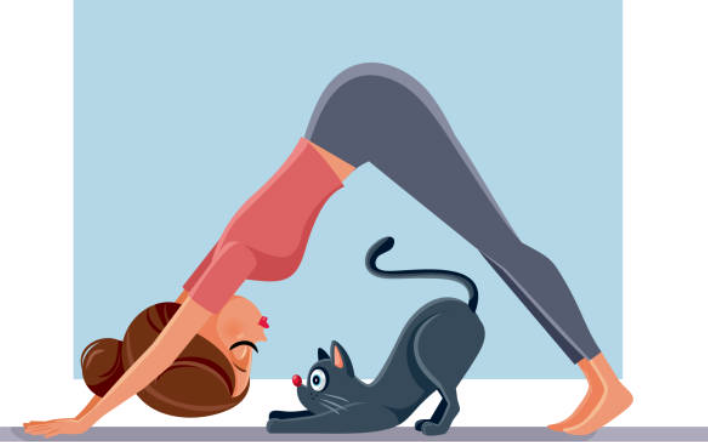
Downward-Facing Dog (Adho Mukha Svanasana): Stretches the entire posterior chain (calves, hamstrings, back) while strengthening the shoulders.
Low Lunge (Anjaneyasana): Essential for opening the psoas and hip flexors, which are notoriously tight in runners and cyclists.
Plank Pose: Builds the deep core stability required for power transfer in almost every sport.
Legs-Up-The-Wall (Viparita Karani): The ultimate recovery pose to reduce leg swelling and reset the nervous system.
The Competitive Advantage: The Breath
Perhaps the greatest gift yoga gives an athlete is Pranayama (breath control). By learning to maintain slow, nasal breathing during physical challenge, athletes can stay in a “parasympathetic” (rest and digest) state longer. This keeps the mind calm and the heart rate lower, even during the final minutes of a high-stakes game.