
How Yoga Can Improve Your Flexibility and Range of Motion
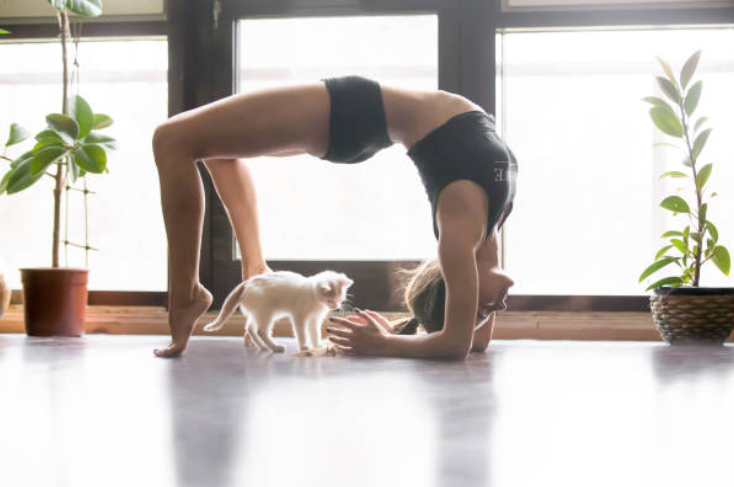
Improving your flexibility isn’t just about being able to touch your toes—it’s about giving your body the freedom to move without restriction. On The Yoga Purrsuit, we often talk about the “cat-like” grace of feline movement, and yoga is the bridge that helps humans find that same fluidity.
Here is a guide to the science of stretching and the best poses to unlock your body’s potential.
Yoga for Flexibility and Range of Motion: Unlocking Your Body
Many people use the terms flexibility and mobility interchangeably, but in the world of yoga, they describe two different (but equally important) things:
- Flexibility: The ability of your muscles and connective tissues to lengthen passively (e.g., gravity pulling you down in a fold).
- Range of Motion (Mobility): The ability of a joint to move actively through its full intended path with control and strength.
How Yoga Actually Changes Your Body
Yoga doesn’t just “pull” on your muscles; it works through several physiological mechanisms:
- Overriding the Stretch Reflex: When you stretch quickly, your muscles “panic” and contract to prevent a tear. Yoga’s slow, held poses teach the nervous system to relax, eventually overriding this protective reflex.
- Synovial Fluid Circulation: Yoga movement acts like “oil for the joints,” increasing the circulation of synovial fluid which lubricates cartilage and reduces friction.
- Fascial Release: Yoga targets the fascia—the web-like connective tissue that surrounds your muscles. Consistent practice helps “unstick” these layers, allowing muscles to slide past each other more easily.
Top Poses for Functional Flexibility
If you want to feel more limber in your daily life, focus on these “Big Four” areas:
1. The Spine: Cat-Cow (Marjaryasana-Bitilasana)
This is the ultimate warm-up. It moves the spine through flexion and extension, improving the “space” between your vertebrae.
- The Benefit: Reduces back stiffness from sitting.
2. The Hamstrings: Downward Facing Dog (Adho Mukha Svanasana)
A classic for a reason. It stretches the entire “posterior chain”—everything from your heels up to your lower back.
- The Benefit: Longer hamstrings take the “pull” off your lower back, reducing pain.
3. The Hips: Low Lunge (Anjaneyasana)
Most humans have chronically tight hip flexors from sitting. This pose opens the front of the hip and the psoas.
- The Benefit: Improves your stride when walking and protects the knees.
4. The Shoulders: Puppy Pose (Uttana Shishosana)
This is a “heart opener” that targets the chest and the front of the shoulders.
- The Benefit: Counteracts the “hunch” caused by phones and computers.
Tips for Lasting Results
- Stay Warm: Muscles are like wax; they are much easier to “mold” when they are warm. Always do a 5-minute warm-up (like Sun Salutations) before deep stretching.
- Breathe into the Tightness: If you hold your breath, your body thinks it’s in danger and will tighten up. Long, slow exhales tell your muscles it is safe to let go.
- Consistency > Intensity: Stretching once a week for two hours is less effective than stretching for 10 minutes every single day.
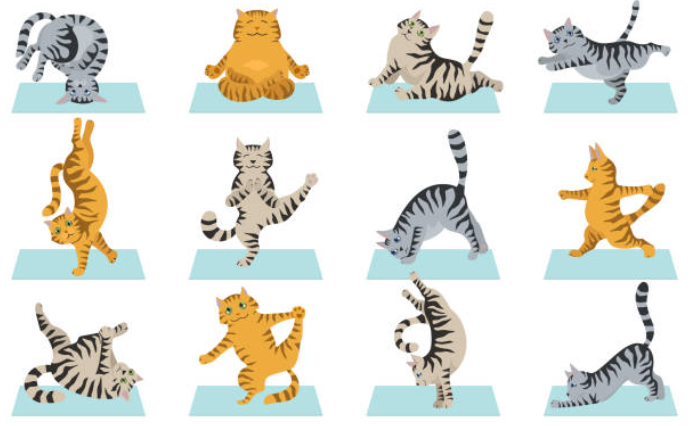
The Purr-suit Insight: Notice how a cat stretches every single time they wake up from a nap? They don’t wait for a “yoga class”—they treat flexibility as a natural part of being alive.
Wow I love it!